Manchester backs abolition
Starved of cotton, a Manchester meeting still backed the blockade of the slave South. Lincoln wrote to thank them.

UNCTAD, A World of Debt 2026. In 2010 it was 2.5 billion.
That interest goes to lenders such as banks, investment funds and richer governments. For five hundred years wealth has moved this way, out of the countries that produce it and into the hands of a few. Repair means sending it back, with the people who profited paying for it.

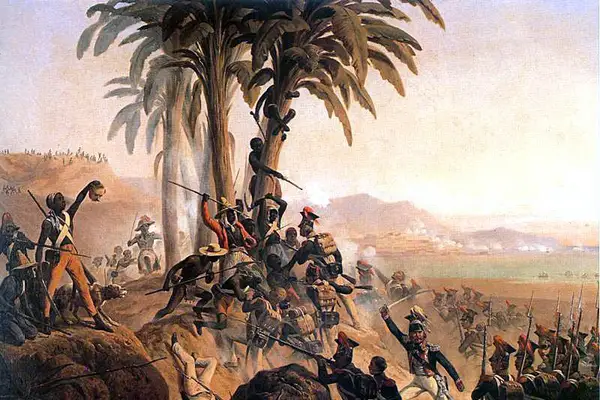 Caribbean · Haiti, 1825France made Haiti pay for its own independence, and French banks lent it the money to do so.Today: Jamaica rebuilds after Hurricane Melissa on borrowed money.Read the story →
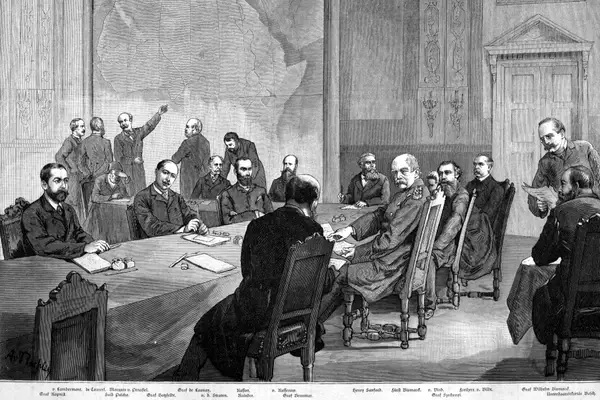 Africa · KenyaBritain took Kenyan land for settlers and tea estates. In 2013 survivors of its detention camps won a settlement, and their case brought Britain's hidden colonial files to light.Today: Kenya's borrowing from private lenders is written under English law.Read the story →
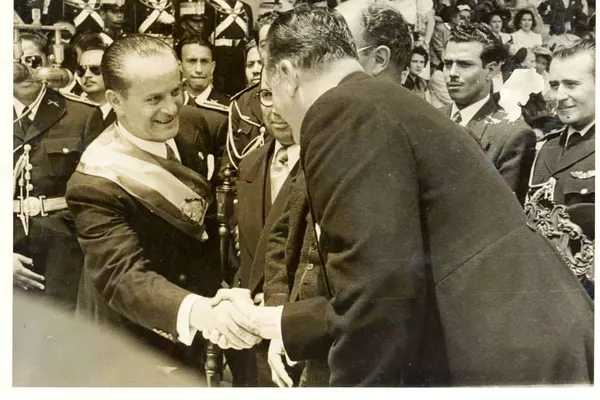 The Americas · Guatemala, 1954Guatemala's elected government gave unused land to farmers, some of it held by the United Fruit Company. A coup backed by the CIA removed it.Today: the Amazon cattle frontier, and the beef that reaches Europe.Read the story →
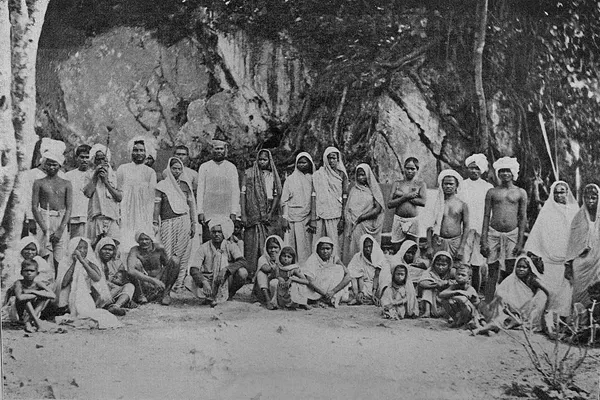 Asia · India to Trinidad and FijiAfter abolition, Indian workers were shipped under contract to the plantations, in what the historian Hugh Tinker called "a new system of slavery".Today: South Asian workers built Qatar's World Cup.Read the story →
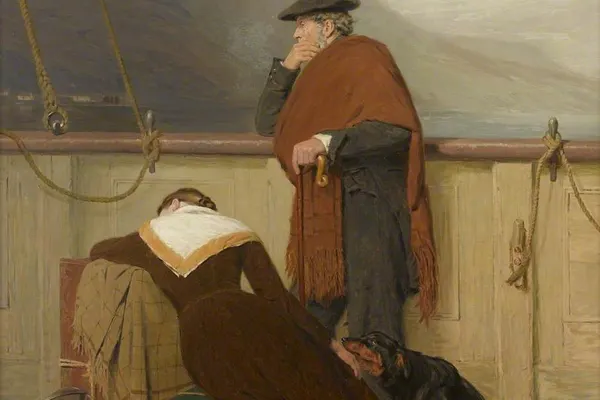 Britain · The HighlandsMoney from the slave-owners' compensation bought Highland estates, and the new owners evicted thousands of tenants.Today: water firms pay out dividends while sewage runs into rivers.Read the story →
The slave-owners were paid. Britain compensated them in 1833, France in 1849 and the Netherlands in 1863, and the people they had enslaved got nothing.
Haiti had freed itself, and France still made it pay its former owners. With the loans it took on to do it, Haiti was paying until 1947.
The same rule held in 2008: when the banks failed, governments rescued them, and working people paid through cuts to wages and public services.
| Year | Who paid | Who was paid | The people enslaved |
|---|---|---|---|
| 1825 | Haiti | Its former French slave-owners | Paid for their own freedom |
| 1833 | British taxpayers | British slave-owners | Nothing |
| 1849 | The French state | French slave-owners | Nothing |
| 1863 | The Dutch state | Dutch slave-owners | Nothing, and in Suriname ten more years of forced work |
Wars and famines wreck the lives of the people caught in them. For shareholders in arms and energy companies, they can mean a very good year.
On the first trading day after the strikes on Iran in March 2026, Europe's shares fell. Europe's biggest arms maker rose almost 8%. In the 2022 food and energy crisis, as hunger spread, Shell made the biggest profit in its 115-year history.
The system was never broken. It was designed this way.Revolutionary Reparations
Motto of the Industrial Workers of the World
Starved of cotton, a Manchester meeting still backed the blockade of the slave South. Lincoln wrote to thank them.
Twenty-nine Asian and African countries met in Indonesia and called for colonialism “in all its manifestations” to be brought to an end.
Workers at a Dunnes Stores in Dublin refused to sell South African grapefruit, and stayed on strike for nearly three years. Nelson Mandela met them when he came to Ireland in 1990.
Churches, unions and musicians across the world gathered millions of signatures, and dozens of heavily indebted countries had debts cancelled.
Repair is mostly things a community can use:
Not you. The fortunes and institutions that profited, then and now. In a 2024 survey across the G20, two in three people backed a tax on the wealth of the very rich.
No. The fortunes and institutions that profited pay: a tax on extreme wealth and on financial trading, not on working people. Every repair paid so far has come from states, universities, churches and family fortunes.
Haiti was still paying for its freedom in 1947, and Britain carried the debt it took on to pay slave-owners until 2015. Wealth is still leaving the Global South today, through debt payments and tax havens.
So were most people's. Ordinary taxpayers paid the slave-owners' compensation, and working people pay for every bank rescue. This is about the few who profited.
The division already exists, and it suits the people at the top. They do best when the rest of us are split, whether by race or by where we were born.
Communities first, through things everyone can see: clinics, schools, clean water, cancelled debts, climate protection.
In every country, the wealth working people make is drained upwards to the same few. Reparations is how we change where it goes, together.
Placeholder
This form is not connected yet. Nothing you type here is sent. For now, email us at info(at)