
Africa · 1950s–2013
Kenya's camps and the files Britain hid
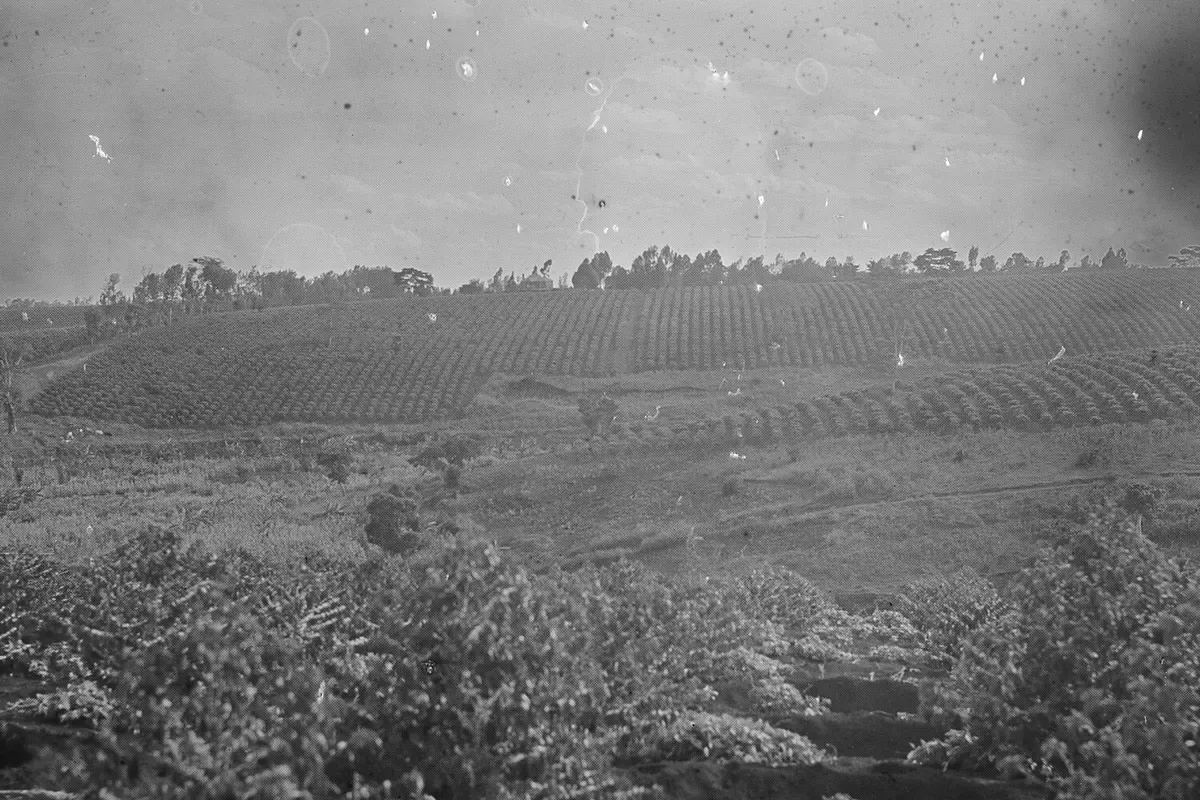
Under British rule, land in Kenya's highlands was taken for British settlers' coffee farms and for tea estates. Kipsigis and Talai families were moved off land that tea firms went on to farm, among them Brooke Bond, later part of Unilever, and James Finlay.
In the 1950s the colonial government met the Mau Mau uprising with mass detention. Thousands of Kenyans were held in camps, where many were tortured and made to work.
Decades later, survivors took the British government to the High Court in London. In 2013 it settled with 5,228 of them. The Foreign Secretary, William Hague, said Britain "sincerely regrets that these abuses took place", and in the same statement went on denying liability. The case also forced into the open colonial files that Britain had kept hidden for decades at Hanslope Park.
Kipsigis clans are still fighting for their land, and have taken their case to the United Nations.
- How it worked
- Take the land for export · Make people work for nothing
- Who gained
- British settlers; the tea firms Brooke Bond (later Unilever), James Finlay and Williamson Tea; the British state.
- What it left
- A settlement that admitted regret and denied liability, a memorial in Nairobi that Britain agreed to support, and the "migrated archives", now in the National Archives. Kenya's National Land Commission has twice acknowledged the injustice over the tea land.
- Sources