
The Americas · 1952–1954
Was Guatemala's coup about bananas?
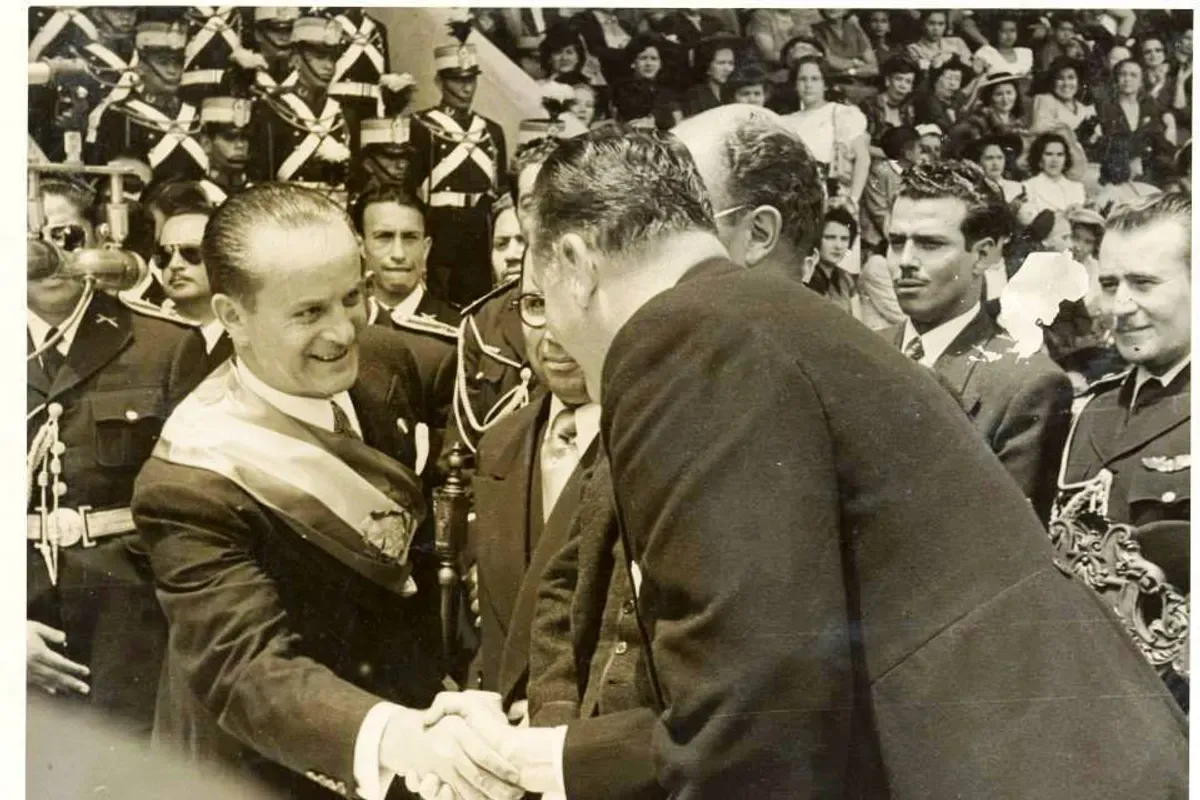
In 1952 Guatemala's elected president, Jacobo Árbenz, brought in a land reform, Decree 900. It took over land that large estates held but did not farm and gave it to rural families. Some of that land belonged to the United Fruit Company, the American banana firm.
The government offered compensation at the value United Fruit had itself declared for tax. The company and the United States government said that was far too little.
In 1954 a coup organised with the CIA removed Árbenz, and the land reform was reversed. Historians still argue about why. One reading puts United Fruit first: the Secretary of State, John Foster Dulles, and his brother Allen, head of the CIA, had both been partners in the company's law firm. Another puts the Cold War first, and Washington's fear of communism so close to home. Under either reading, the families lost the land.
- How it worked
- Take the land for export · Write rules that bind only others
- Who gained
- The United Fruit Company (later Chiquita) and its shareholders; the large landowners who got their land back.
- What it left
- Rural families who lost the land they had been given, and an elected government ended by force.
- Sources