
Asia · 2013–today
Rana Plaza and the price of clothes
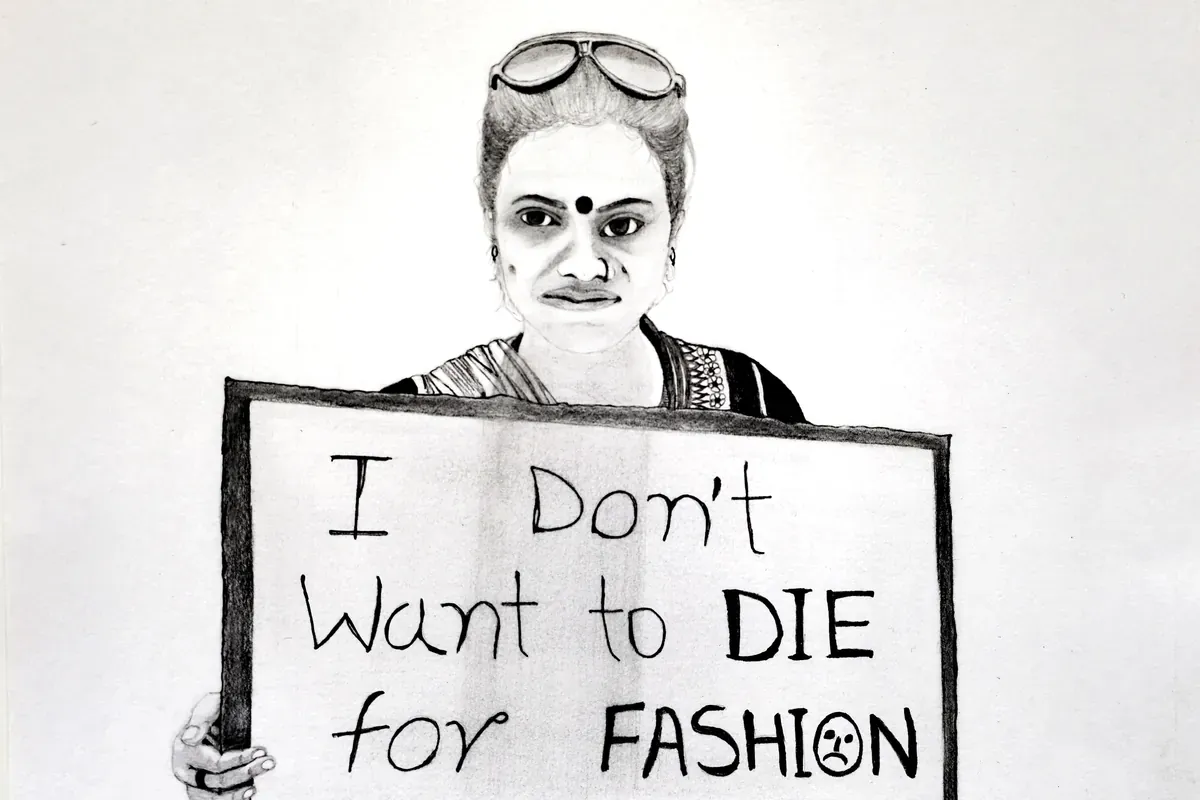

In April 2013 a building housing garment factories collapsed in Rana Plaza, near Dhaka in Bangladesh. The factories there made clothes for foreign brands. It remains one of the worst disasters in the global garment industry.
Afterwards, unions and brands signed a legally binding Accord on building safety, and the Clean Clothes Campaign says it is widely seen as a success. Some brands still rely on voluntary checks of their own instead. Of the brands linked to Rana Plaza, only a few made significant contributions to compensation for the injured and the families of the dead, according to the trade publication Just Style.
Twelve years on, the Campaign says, wages in the industry are still at poverty level. The clothes are bought by shoppers in the North, and the risk of making them stays with workers in the South. The campaigners argue that voluntary promises are not enough and that workers need legal protection.
- How it worked
- Make people work for nothing
- Who gained
- The brands that sold the clothes and kept their costs low.
- What it left
- A binding safety agreement, still resisted by some brands, and wages that campaigners say have not risen above poverty level.
- Sources