Africa · 2020–today
Zambia's debt, under English law
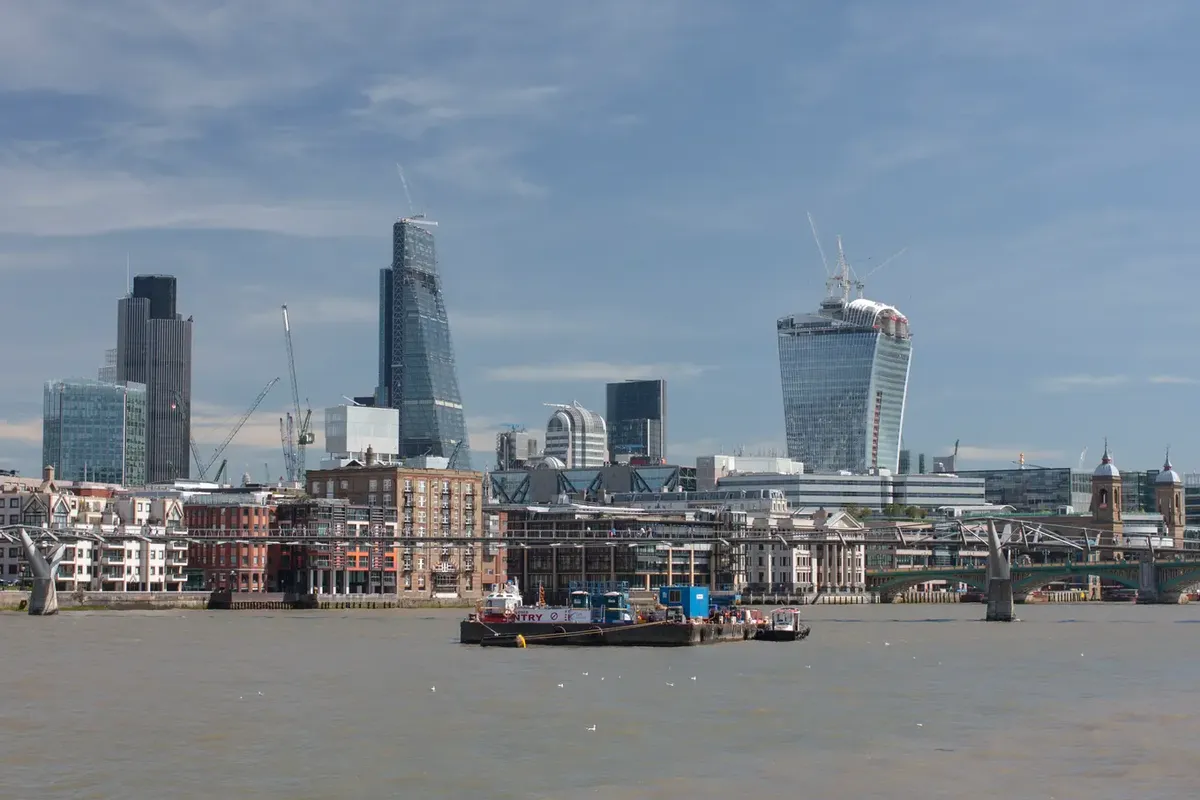

In 2020, as the pandemic hit, Zambia stopped paying some of its foreign debts. Part of what it owed was in bonds sold to private investors, and all of those bonds are governed by English law.
In the deal that followed, the bondholders, among them the American fund manager BlackRock, did better than the governments that had lent to Zambia. By Debt Justice's estimate, bondholders get back about 73 cents for each dollar they are owed, against about 55 cents for the governments. The IMF itself found that the first deal offered to the bondholders broke its own limits on what Zambia could afford.
That gives Britain a lever. Debt Justice says most of what lower-income countries owe to private lenders is written under UK law, and a committee of MPs has urged a law that would make private lenders take part in debt relief. Parliament passed a law like it in 2010, for an earlier round of relief. The government's reply to the committee was brief.
- How it worked
- Keep the money and the law · Compensate the owners
- Who gained
- Zambia's private bondholders, BlackRock among them, repaid on better terms than its public lenders.
- What it left
- Zambia repaying private investors on better terms than the governments it owes, and a change in British law that would make private lenders share the loss, still not made.
- Sources