
Caribbean · 2025
Jamaica after Hurricane Melissa
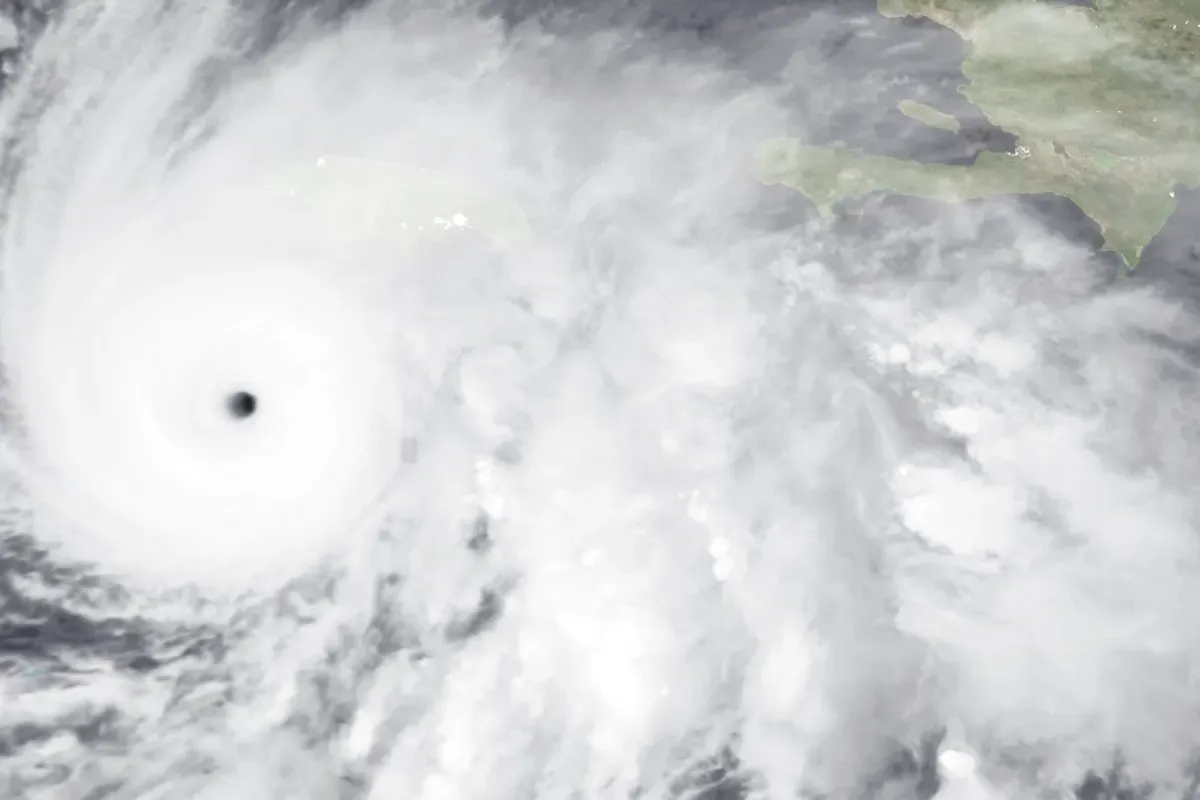
Hurricane Melissa crossed Jamaica at the end of October 2025, the costliest storm in the island's recorded history. The World Bank and the Inter-American Development Bank put the physical damage at US$8.8 billion, equal to 41% of everything Jamaica produces in a year. Other estimates run lower and higher.
Jamaica had prepared for a storm like this. A catastrophe bond, arranged through the World Bank, paid out in full, and the Caribbean's shared insurance fund, CCRIF, made two more payments. Together they covered a small part of the damage. Much of the rest of the rebuilding will be paid for by borrowing, after years in which Jamaica had brought its debt down.
Clauses that pause repayments after a disaster are still rare in debt contracts. After Hurricane Beryl in 2024, Grenada used ones in its bonds that pause repayments after a hurricane, an idea that Barbados's prime minister, Mia Mottley, wants made standard. The clauses give a country time and leave the whole debt in place.
- How it worked
- Profit from disaster · Keep the money and the law
- Who gained
- The lenders who finance the rebuilding, who are repaid with interest.
- What it left
- Debt rising again, its target for coming down pushed back, and in Grenada's pause clauses a working fix that delays repayments and cancels none.
- Sources