
Caribbean · 1825–1947
Haiti pays for its own freedom
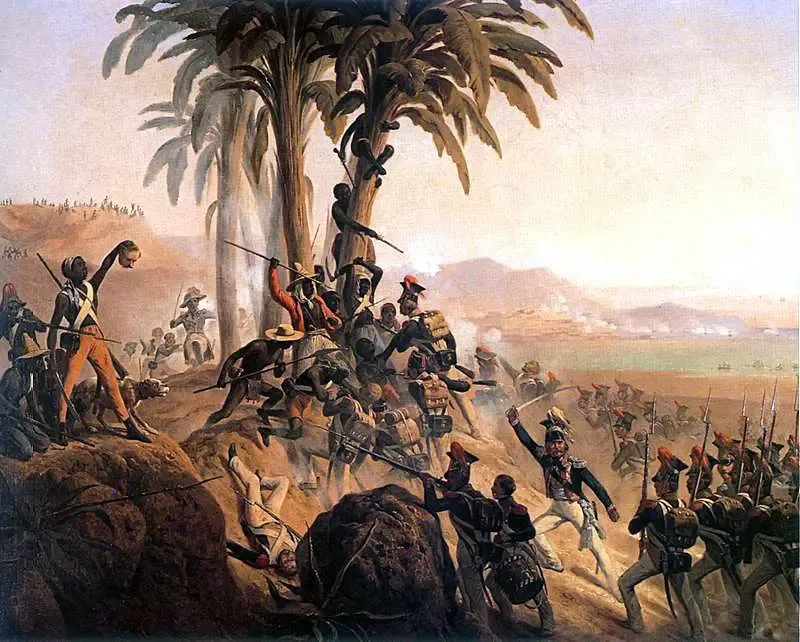
Haiti won its independence in a revolution of enslaved people. In 1825 France's king, Charles X, demanded 150 million gold francs as the price of recognising it, and Haiti's president, Jean-Pierre Boyer, agreed under threat of a blockade. The money was to compensate the former planters for their lost "property", which meant the freed people themselves.
Haiti had to borrow from French bankers to pay, so it owed twice over, once for the sum itself and again for the interest on the loans. A New York Times investigation found that, decades later, a Paris bank, CIC, effectively controlled Haiti's national bank. Haiti was still paying until 1947.
Crédit Mutuel, which now owns CIC, said it would fund independent research into the bank's history. In 2025, at the bicentenary, President Macron set up a joint history commission with Haiti. He offered no reparations.
- How it worked
- Make them pay for their own conquest · Compensate the owners · Keep the money and the law
- Who gained
- The French state; the former planters and their heirs; French banks, among them the bank now called CIC, owned since 1998 by Crédit Mutuel.
- What it left
- Generations of Haitian taxes spent on a debt for freedom, and a ledger the New York Times rebuilt payment by payment in 2022. France has set up a history commission and offered no repair.
- Sources