
Asia · 1943
Bengal's famine, 1943
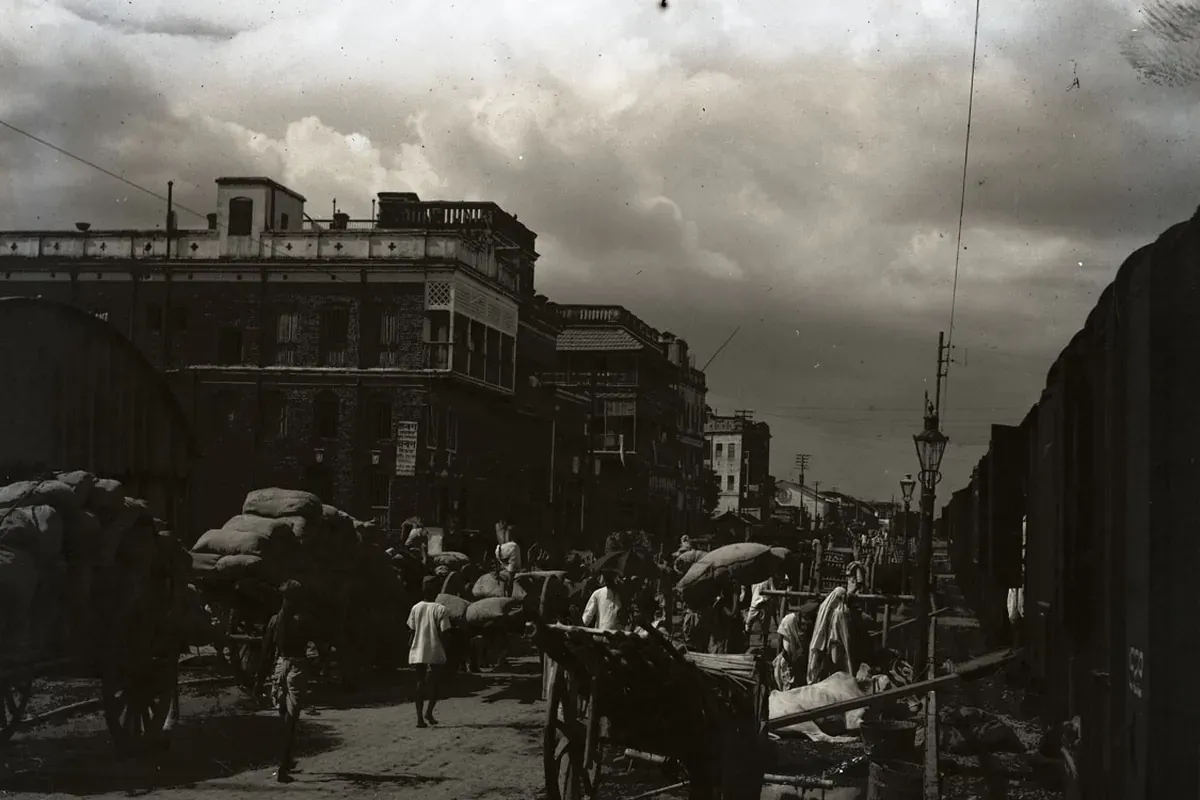
In 1943, in the middle of the Second World War, a famine struck Bengal, then part of British India. Writers such as Madhusree Mukerjee, in Churchill's Secret War, argue that grain was diverted to serve the war effort, and that other needs were put before feeding Bengal.
The historian Mike Davis showed how colonial policy turned droughts into famines in India in the late 1800s. The economist Amartya Sen, who saw the Bengal famine as a boy, studied it later and argued that people starved because the price of rice rose beyond what labourers could pay, even where food was still for sale.
How much blame Winston Churchill bears is contested. Some historians stress his decisions and his words about Indians. Others point to the war's shipping crisis, the loss of Burma's rice, and the officials in India who ran the colony. The argument is over how much of the catastrophe was shortage and how much was policy.
- How it worked
- Profit from disaster
- Who gained
- The imperial war effort, which Mukerjee argues was served first.
- What it left
- A famine remembered in India as made by policy, and an argument about Churchill that has not ended.
- Sources