
The Americas · 1550–1888
Brazil, the last to end slavery
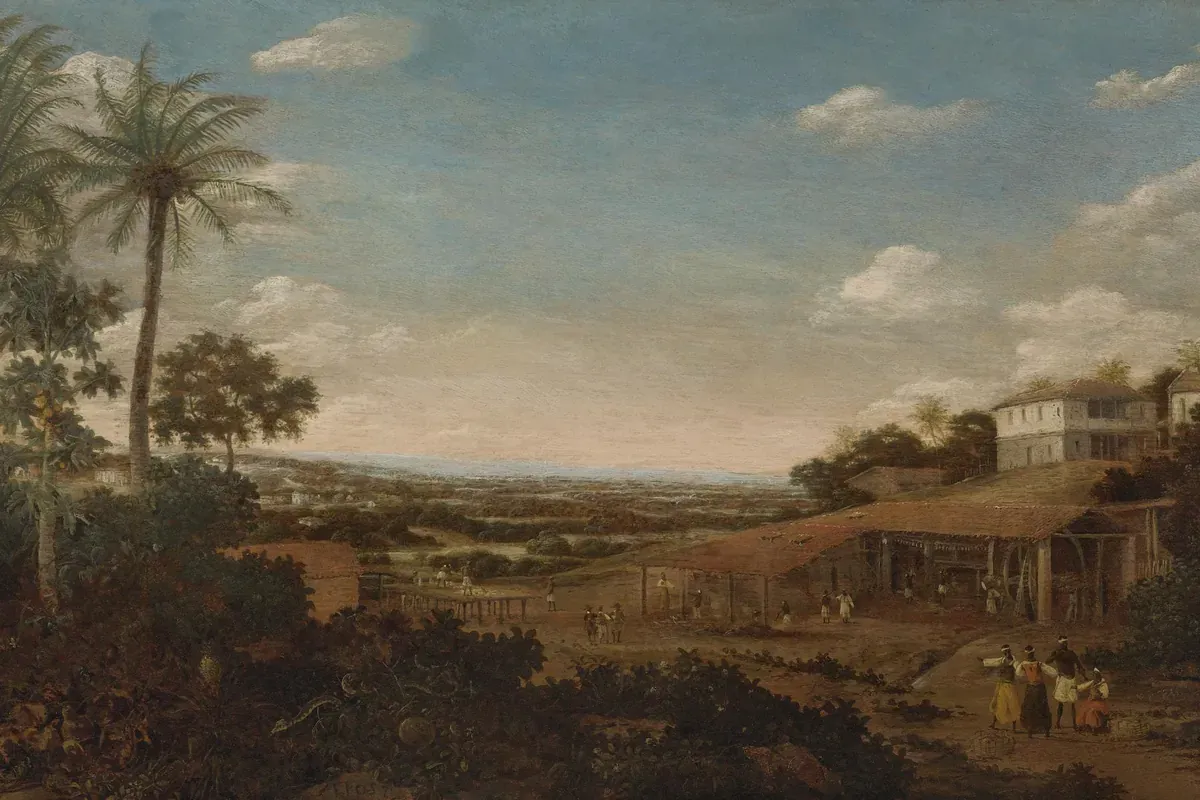
Brazil received more enslaved Africans than any other place in the Americas. Most were brought to work plantations, sugar first among them, for a colony Portugal ran for its own benefit, and the profits of the sugar trade went mainly to Portugal and its planters.
Brazil ended slavery in 1888 with the Golden Law, the last country in the Americas to do so. Its slave-owners were not compensated, and neither were the people they had held: the freed were given no land, no schooling and no wages owed, and most stayed at the bottom of the country they had built.
Together, the Caribbean and Brazil took the great majority of the people carried across the Atlantic. Far fewer were taken to North America, though its history of slavery is the one most often told.
- How it worked
- Make people work for nothing · Take the land for export
- Who gained
- The Portuguese crown and the planters who owned the land and the people on it; the merchants and shippers who carried them.
- What it left
- A country built over more than three centuries on enslaved labour, whose abolition came last.
- Sources