
The Americas · 1840s–1889
Peru's guano and its bondholders
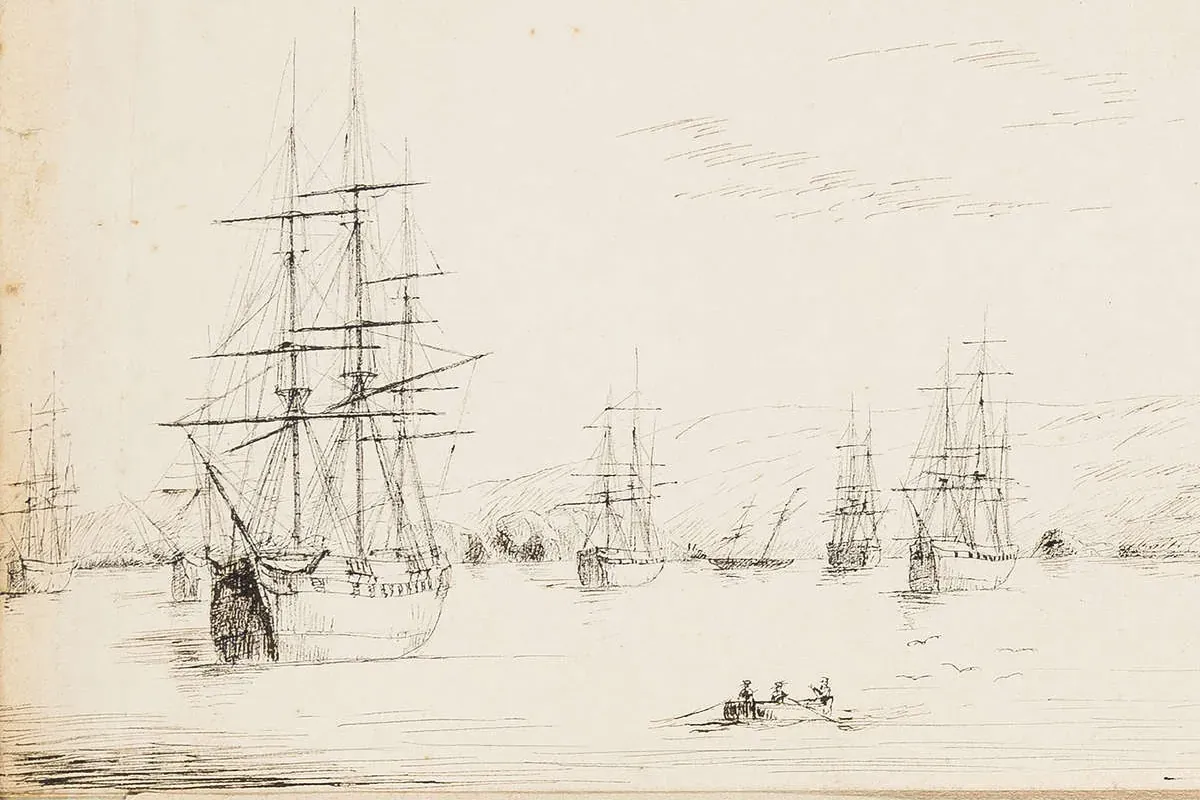
From the 1840s Peru exported guano, the dried droppings of seabirds, as fertiliser for European farms. The trade ran on consignment contracts. London's Antony Gibbs & Sons dominated it from about 1842 to 1861, and in 1869 the contract passed to Dreyfus Frères of Paris.
Dreyfus also took on part of Peru's debt, funded by a European bond issue in 1870. A national windfall had been mortgaged to foreign bankers, and the country now depended on a single export to pay them. Bribery was reportedly needed to carry the vote in Peru, and bondholders' lawsuits dragged on for years.
The settlement came with the Grace Contract of 1889, which gave Peru's British creditors control of its railways.
- How it worked
- Keep the money and the law
- Who gained
- Antony Gibbs & Sons of London; Dreyfus Frères of Paris; the British bondholders, who ended up running Peru's railways.
- What it left
- A fertiliser fortune spent, a debt that outlived it, and railways under foreign control.
- Sources