Britain and Ireland · 1830s
Slavery money in the Highlands
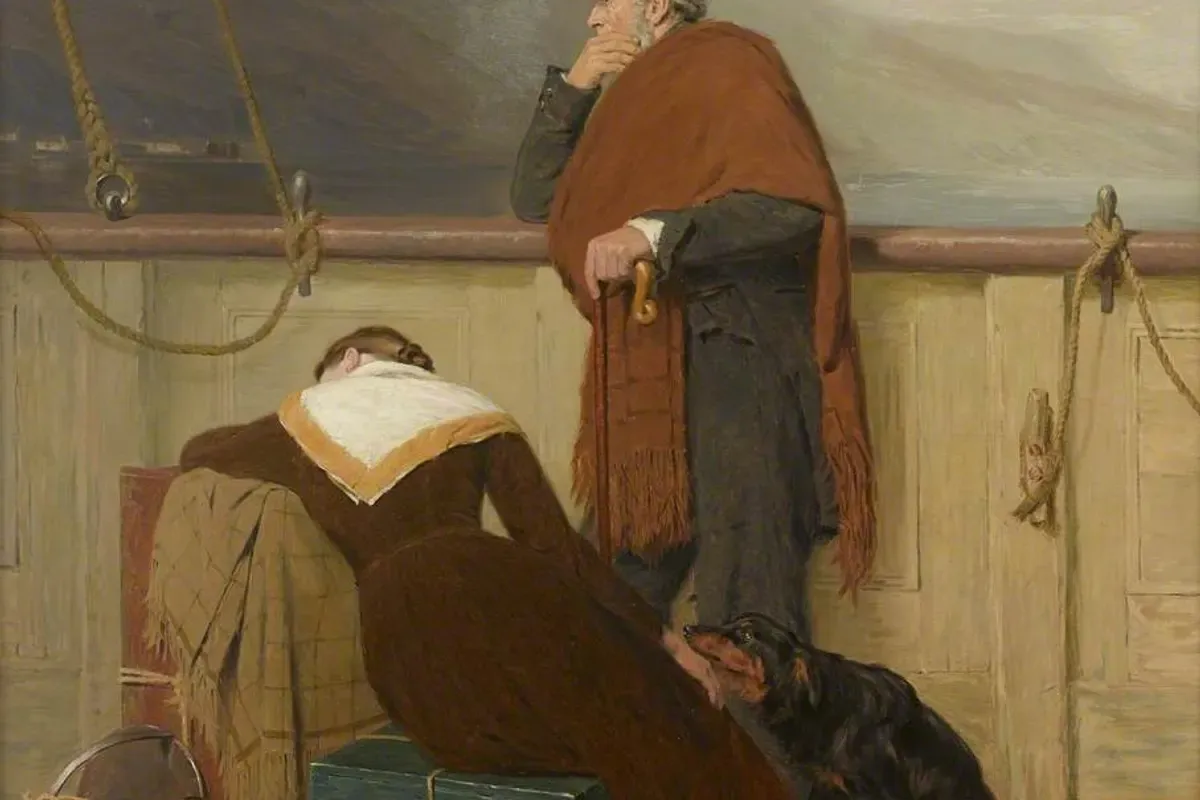
Two researchers working for Community Land Scotland, Iain MacKinnon and Andrew Mackillop, traced who bought the estates of the west Highlands and Islands. They found that dozens had been bought by people whose wealth came from slavery, whether directly, by marriage or through the compensation paid to slave-owners after 1833.
The purchases peaked in the late 1830s, soon after the compensation was paid out. On the estates bought with this money, the new owners evicted at least 5,000 people from their homes.
The money was made by enslaved people in the Caribbean, who were never paid for their work, and some of it was spent clearing Highland families off their land. Scottish Land and Estates, which speaks for landowners today, disputes that the study has any bearing on who owns the land now. As history, the link between the plantation and the clearances is on record.
- How it worked
- Take the land for export · Compensate the owners
- Who gained
- Slave-owners, merchants and their heirs, who used plantation fortunes and the compensation of 1833 to buy Highland estates.
- What it left
- Townships emptied across the west Highlands and Islands, and a traced link between the Caribbean plantation and the Highland clearances.
- Sources