Asia · 1839–1842
The Opium Wars and Hong Kong
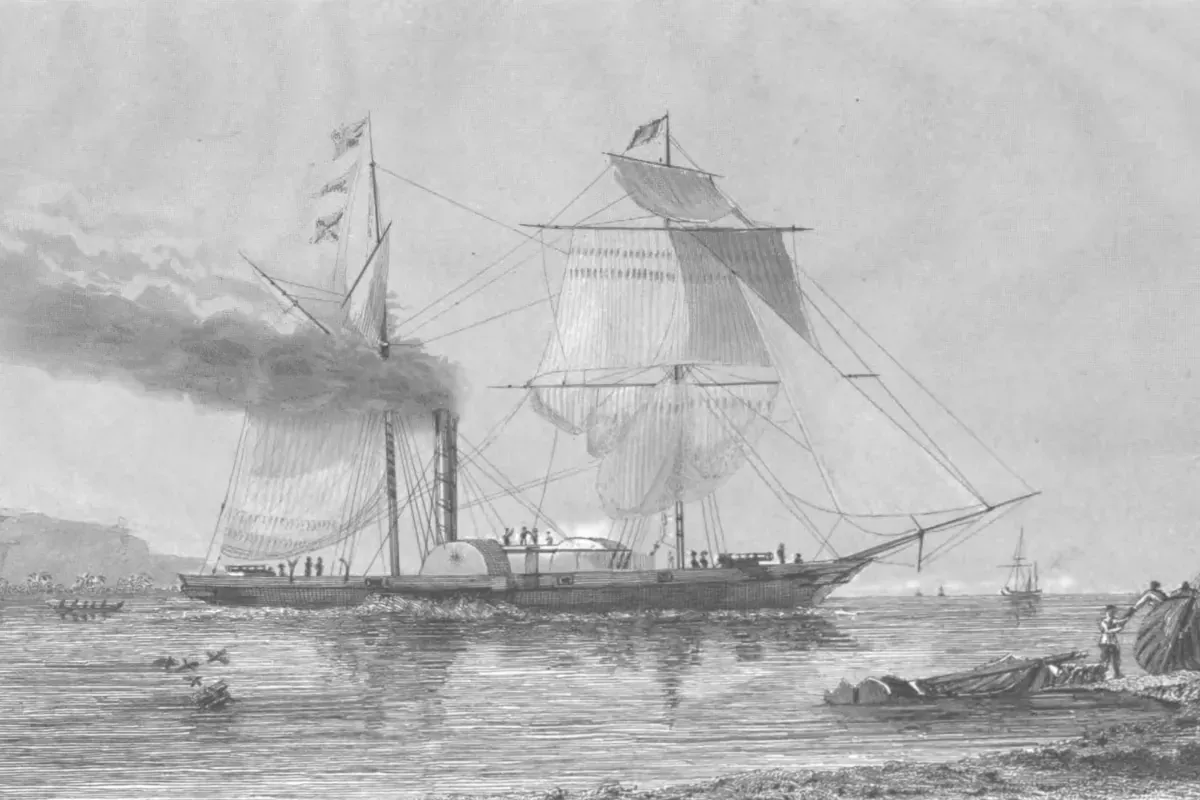
Britain wanted China's tea, and China wanted little that Britain made. The trade was paid for with a drug. Opium grown in British India was sold to China, and the silver it earned went to pay for tea. Merchants such as Jardine Matheson made fortunes from the trade, and lobbied London to press China.
When China tried to stop the opium, Britain went to war. The First Opium War of 1839 to 1842 ended with the Treaty of Nanking. China ceded Hong Kong, opened five ports to foreign trade and paid an indemnity. The treaty never mentioned opium, and historians still argue over whether the war was about the drug or about free trade and diplomatic equality. China was forced to legalise opium by 1858.
Hong Kong stayed British until 1997. HSBC, founded there in 1865, emerged from the trading world that included the opium trade. Its own history does not describe it as an opium bank.
- How it worked
- Write rules that bind only others · Keep the money and the law
- Who gained
- Opium traders and merchant houses such as Jardine Matheson; the East India Company and the British Crown, which drew revenue from the trade; later, Hong Kong's British-run trading houses and banks.
- What it left
- A colony, Hong Kong, held for over 150 years; and one country's farmers, those of British India, used to break another country's market.
- Sources