
The Financial Transaction TaxPart 3 of 6
How the tax works
A small tax on every trade, built on taxes that already exist. Here is how it works, and where the idea comes from.

The tax efficiently targets imperialism
The FTT on financial trading is not just a tax on idle, exponentially growing wealth, it is a tax on exploitative surplus capital, operating capital and power. It is a tax on capital, which is wealth made by people working all over the world and which is accumulating into the hands of the capitalist class. It is they who are determined to maintain a rate of profit, with arms and terror if necessary.
Trading across countries in financial and commodity markets is the most efficient form wholesale capital transfers take place
- The markets enable the capitalist class to move capital between countries, currencies, companies and commodities in seconds.
- They can either buy or sell these assets now, or a sometime in the future, with or without the underlying physical asset using derivative contracts.
- These are tradable legal contracts that allow almost any arrangement of asset, financial or physical to be traded.
- Derivatives provide leverage (or gearing), such that a small movement in the underlying value can cause a large difference in the value of the derivative.
Financial market users can make profits if asset prices move up or down
- Capitalists like volatility and do not care about inflation and can artificially move asset prices virtually at while.
- Their trading is basically riskless because the biggest financial market players are able to arbitrage by simultaneously entering into transactions into two or more markets, cancelling out potential loses. Many derivative instruments avoid capital gains tax.
- Most derivatives are traded bilaterally between the world largest banks and hedge funds with trillions under management in the OTC market. The OTC market is opaque compared to trading done through exchanges.
- The OTC derivative market is the largest market for derivatives. Its regulation is ineffective and inevitably led to collapse of global economy in 2008 as the wealthy in government, in banks and in corporation sought out more and more profits from the poor.
- Although an avid user, Warren Buffet (considered one of the most successful investors in the world and with a net worth of US$78.9 billion as of August 2020, making him the world's seventh-wealthiest person) famously called these “financial weapons of mass destruction”.
The origins of financial transactions taxes
The basic principle of taxing the trading of assets traded between wealthy people is long established
- Taxes on the trade of major assets, such as company stock and property, have been in place for centuries in Western Europe where colonial governments would collect taxes to fund war and imperialism.
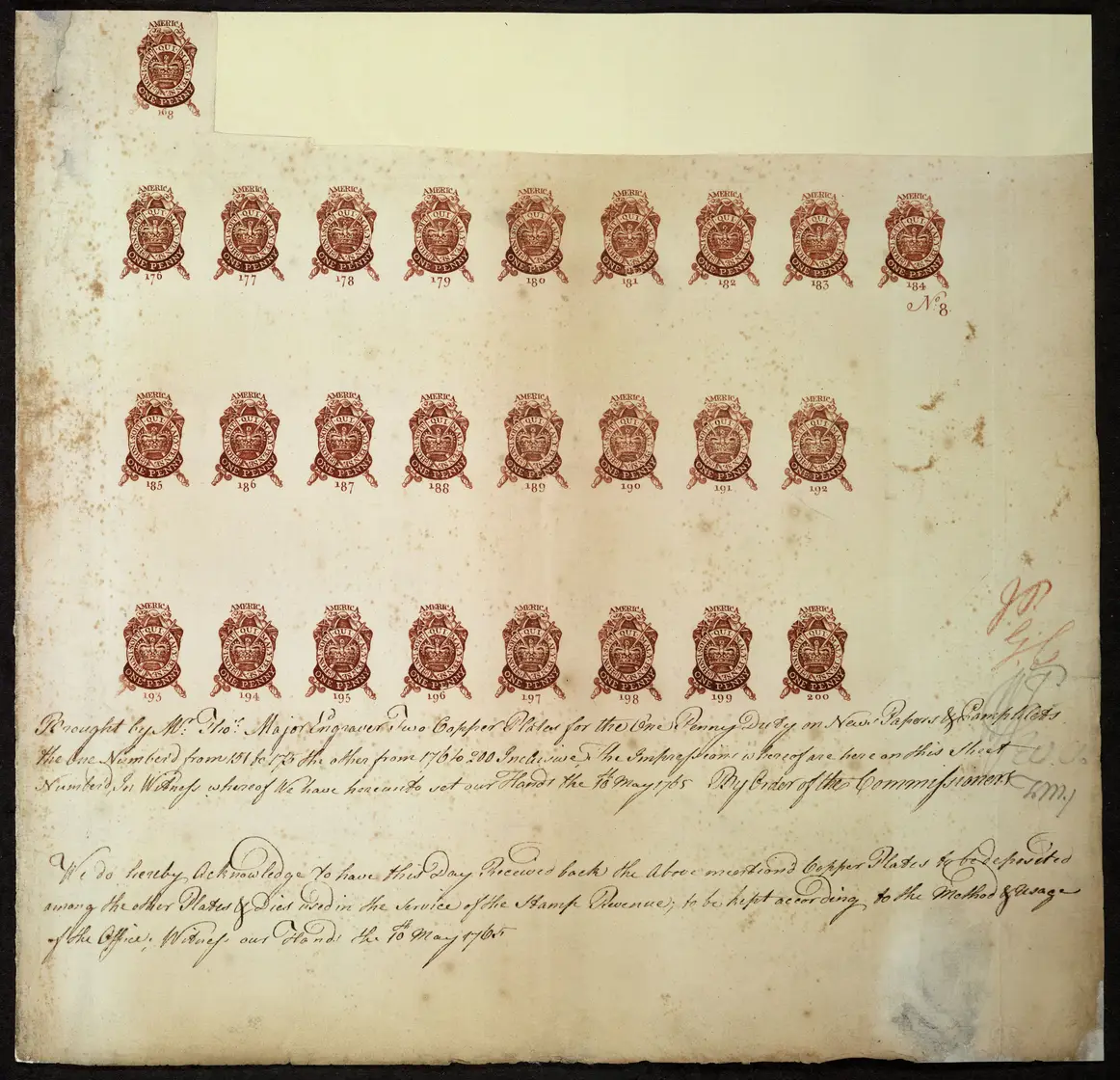
- These fixed price taxes were known as Stamp Taxes because in order for the paper that these contracts were written to become lawful, they required a government stamp.
- Colonial Netherlands first introduced them in 1624, followed by colonial Britain in 1694.
By the 1800s, these taxes changed from being at a fixed, to being based on a percentage of the contract’s value. In 1939, the economist John Maynard Keynes advocated for a tax on currency trading because he felt currency speculators would come to dominate the markets as they have done. In 1972, US Nobel prize winning Keynesian economist James Tobin unsuccessfully called for a FTT on wholesale foreign currency trading to ‘throw some sand in the wheels of our excessively efficient international money markets’.
In 2001, Fidel Castro called for a global tax so that “we will have one trillion US dollars annually to save and develop the world. Given the seriousness and urgency of the existing problems, which have become a real hazard for the very survival of our species on the planet, that is what would actually be needed before it is too late.”.
At the Financial Summit in Paris 22 June 2023: Colombia’s president, Gustavo Petro, and Kenya’s president, William Ruto, called for a global financial transaction tax.
40 countries around the world operate miniscule FTTs on predominately the trading of company shares, missing 99% of the financial markets activity taking place across the constantly expanding financial markets landscape. Politically liberal tax and economic justice campaigns have called for more FTTs around the world, including in the UK under a campaign called the ‘Robin Hood Tax’.
This FTT is grounded in the struggles of reparations for enslavement and colonialism, anti-racism, Pan-Afrikanism, the Black Radical Tradition, intersectional feminism, Black Marxism, workers' liberation struggles, Dalit/indigenous struggles and anti-colonialism struggles to create a systemic, radical and non-violent global movement and policy for justice, peace, equality and sustainability.